Best Places to Retire in Thailand (2026): Chiang Mai vs Hua Hin vs Bangkok vs Phuket
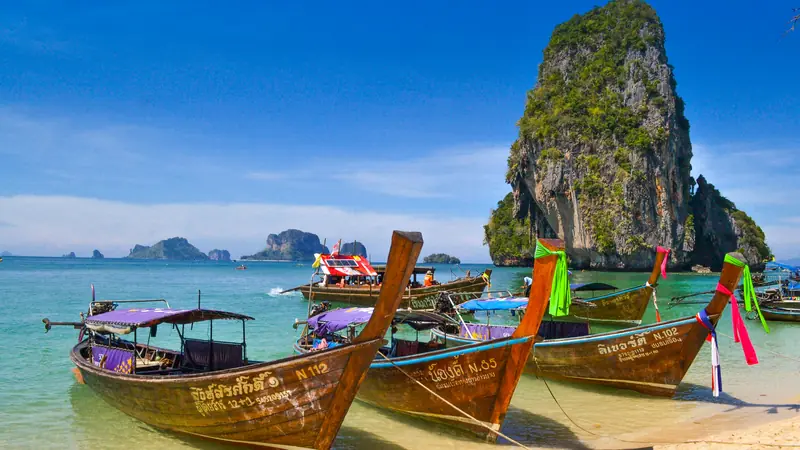
Where you retire in Thailand changes almost everything: your monthly budget, how close you live to a top hospital, what the air is like in March, and how easily you'll make friends. Chiang Mai can cost 30–40% less than Bangkok for a similar standard of living — but cheapest isn't always best. Here's how the four most popular retirement bases compare in 2026, with the neighbourhoods retirees actually choose.
👉 First, the one-time bill: estimate the full cost of your move → — then use this guide to pick where your monthly money goes furthest.
The four cities at a glance
| Comfortable monthly budget (single) | 1-bed condo rent | Best for | Watch out for | |
|---|---|---|---|---|
| Chiang Mai | ~฿40,000–55,000 (~$1,200–1,650) | ฿10,000–15,000 | Stretching a pension; big expat community | Smoky air in the burning season (roughly Feb–Apr) |
| Hua Hin | ~฿50,000–70,000 (~$1,500–2,100) | Between Chiang Mai and Bangkok | A calm coast within reach of Bangkok | Quieter social scene; specialists in Bangkok |
| Bangkok | ~฿70,000–120,000 (~$2,100–3,600) | ฿20,000–35,000 (central) | The best hospitals, flights, convenience | Highest rents; heat, traffic and noise |
| Phuket | ~฿95,000–135,000 (~$2,900–4,000) | Above Bangkok in popular areas | Beaches and an active outdoor life | Tourist-season prices, hills, crowds |
Our planning estimates per person for a comfortable, Western-leaning lifestyle, at ~33.5 THB/USD — consistent with our cost to retire in Thailand breakdown. Couples share rent and utilities, so plan for well under double. Build your own number from current local listings.
🧮 Which of these can you afford? Try the free retirement calculator → Pick a city and lifestyle and see your monthly cost, with insurance for your age, against your income.
Chiang Mai — the value champion
The north's cultural capital is the classic Thai retirement choice for good reason: a green, walkable old city ringed by a moat, an enormous and welcoming expat community, good private hospitals, and the lowest costs of the big four. A modest-comfortable couple can live well on around ฿60,000 (~$1,800) a month.
Where retirees look:
- Nimman — cafés, co-working and newer condos; lively and the priciest part of town.
- The Old City — inside the moat, temples on every corner, very walkable.
- Santitham — local feel, cheaper rents, a short ride from Nimman.
- Hang Dong — houses and gardens south of town; you'll want a car or scooter.
The honest downside: the burning season (roughly February to April) brings smoky, unhealthy air. Many retirees travel during those weeks — budget for it, especially if you have heart or lung conditions.
Best for: pensions that need to stretch, people who want an established community from day one, and anyone who prefers green hills to beaches.

Hua Hin — the calm coast
A long-time retiree favourite about three hours from Bangkok: a seaside town with golf courses, a night market, good private healthcare, and gentler prices than Phuket. It skews older and quieter, which many retirees see as a feature.
Where retirees look:
- The town centre — walk to markets, restaurants and the beach.
- Khao Takiab — quieter, south of town, by the hill and the beach.
- Cha-am — north of Hua Hin, cheaper, and peaceful on weekdays (busier at weekends with visitors from Bangkok).
The honest downside: a smaller social scene than Chiang Mai, and for some specialist treatment you'll travel to Bangkok.
Best for: sea air and a slower pace without island prices, and couples who want Bangkok's hospitals within a day trip.
Bangkok — healthcare and convenience
Big-city energy, the country's best international hospitals, every convenience you could want, and the main airport for trips home. It's the most expensive base — a comfortable budget is often ฿70,000–120,000+ a month — and central one-bedroom condos commonly run ฿20,000–35,000.
Where retirees look:
- Sukhumvit (roughly Asok to Ekkamai) — expat-friendly, on the BTS Skytrain, close to the big international hospitals.
- Ari — leafy and local, quieter, still on the BTS.
- The Riverside — views and calm, a little out of the way.
The honest downside: heat, traffic and noise. Live within walking distance of a BTS or MRT station and you'll rarely need a taxi.
Best for: retirees whose health needs make hospital access the deciding factor, and people who love a city.
Phuket — the island life (at a price)
Beaches, a resort lifestyle and an international feel. Phuket offers the most active outdoor life of the four — but you pay for it, and prices rise in high season.
Where retirees look:
- Rawai and Chalong — the south of the island, popular with longer-stay expats and retirees.
- Kathu — inland, cheaper and central.
The honest downside: tourist-season prices and crowds, an island that's hillier than it looks if you plan to walk, and a higher cost base overall.
Best for: active retirees who want the sea on their doorstep and have the budget for it.
Also worth a look
- Pattaya — lively, well-serviced, with a big expat community and lower costs than Phuket.
- Chiang Rai — quieter and cheaper than Chiang Mai, with the same northern climate (and burning season).
- Smaller coastal towns — cheaper still, but with fewer English-speaking services.
How to choose: five questions
1. How much do you need hospitals nearby? If it's the deciding factor, Bangkok or Hua Hin. If you're healthy and budget-led, Chiang Mai. 2. Can you live with smoky air for a few weeks a year? If not, the coast beats the north. 3. Do you want an instant community? Chiang Mai and Hua Hin have the most established retiree scenes. 4. Will you drive? In Bangkok you won't need to; in Hang Dong or much of Phuket you will. 5. How often will you fly home? Bangkok makes every trip easier.
The rule almost every long-term retiree agrees on: rent first. Spend a month or two in your top choices before signing a long lease, and rent for a year before buying anything. Foreigners can own a condo unit but not land, and property is where most expensive mistakes happen.
Scouting trip checklist
- Book a month in each of your top two cities, in different seasons if you can (one visit in Feb–Apr if Chiang Mai is on the list)
- Get a local data plan on arrival so you can use Grab, maps and banking apps — a travel eSIM from Saily is set up before you land
- Visit the nearest private hospital and ask about international patient services
- Walk your daily routine: market, pharmacy, café, clinic — without a car
- Go to one expat meetup in each city
- Get short-term travel medical cover from SafetyWing for the trip itself (don't assume it meets the O-A insurance requirement)
- Use a VPN like NordVPN on condo and café Wi-Fi when you log in to your home bank
📋 Want to score your shortlist properly? The Retire in Thailand Kit includes a city-comparison sheet (rent, healthcare, community, climate, vibe), a monthly budget calculator in ฿/$/£/€, and a housing-viewing checklist to take to every apartment — plus three worked examples of retirees in Chiang Mai, Bangkok and Hua Hin.
What it costs to set up in any of them
Wherever you choose, the one-time cost of landing as a retiree is roughly $2,500–$10,000, plus the ฿800,000 (~$23,900) you keep visible in a Thai bank for the visa (or a ฿65,000/month income). For the full breakdown, see the real cost to retire in Thailand and the 2026 retirement visa requirements.
💸 Sending money over for rent deposits and the visa deposit? Compare Wise's rate with your bank's before the first transfer — on ฿800,000 the difference adds up.
👉 Calculate your Thailand move cost →
FAQ
What is the cheapest place to retire in Thailand? Of the popular bases, Chiang Mai is the cheapest — usually 30–40% less than Bangkok for a similar standard of living, with one-bedroom condos commonly ฿10,000–15,000 a month. Smaller towns such as Chiang Rai are cheaper still, with fewer services.
Is Chiang Mai or Hua Hin better for retirees? Chiang Mai is cheaper and has the bigger expat community, but has smoky air in the burning season (roughly February to April). Hua Hin is a calm seaside town about three hours from Bangkok with clean sea air and good private healthcare, at somewhat higher prices.
Where is the best healthcare for retirees in Thailand? Bangkok has the country's largest international private hospitals. Chiang Mai, Hua Hin and Phuket all have good private hospitals, but some specialist care means a trip to Bangkok.
How much does it cost to retire in Bangkok? A comfortable single retirement in Bangkok typically runs ฿70,000–120,000 a month (about $2,100–3,600), with central one-bedroom condos at ฿20,000–35,000 a month.
Can foreigners buy property in Thailand when they retire? Foreigners can own a condominium unit outright, within the building's foreign-ownership quota, but cannot own land. Most retirees rent for at least a year first, and anyone buying should use an independent Thai property lawyer.
Should I visit before choosing where to retire? Yes. Spend a month in each of your top choices — ideally including the hot or burning season — and rent for a year before committing to a long lease or a purchase.