Cost to Move to Thailand With a Pet (Dog or Cat): The Real 2026 Numbers
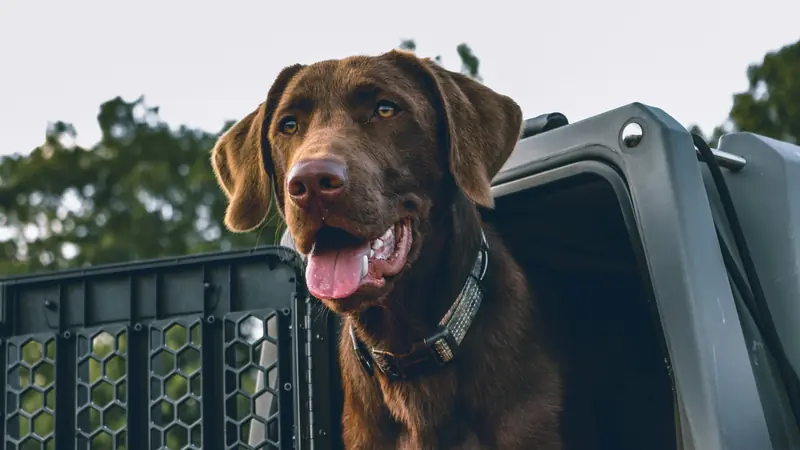
Bringing your dog or cat to Thailand is absolutely doable — thousands of expats do it every year — but the cost swings wildly depending on your pet's size, your route, and whether you hire help. People budget for the vet and forget the freight; they book the ticket and then learn their airline doesn't take pets in the cabin, or won't carry a snub-nosed breed in summer. This is the honest 2026 picture, with the numbers everyone underestimates and the timeline that catches people out.
👉 Want a number for your pet? Use the free pet cost calculator → — enter your route and your pet's weight to see how they'd fly and what each step costs.
The short answer
For a cabin-sized cat or small dog you move yourself, a realistic range is roughly US $350–$1,450. A 20 kg dog runs roughly $950–$3,000 in the hold or $1,850–$4,750 as cargo, and very large dogs can reach $9,800 or more. A pet-relocation agent adds roughly $1,800–$3,900 on top. The single biggest variable is how your pet flies — everything else is comparatively small and predictable.
Where the money actually goes
| Cost item | Typical 2026 range (USD) | Notes |
|---|---|---|
| Microchip (ISO 15-digit) | $20–$90 | Must be read by a universal scanner; do this before the rabies shot |
| Rabies vaccination | $20–$75 | Must come after the microchip, at least 21 days before travel |
| Other vaccines | $25–$120 | Dogs: distemper, hepatitis, parvovirus, leptospirosis. Cats: feline panleukopenia |
| Vet health certificate | $60–$300 | Issued within about 7–10 days of the flight |
| Government endorsement (e.g. USDA/APHIS) | $40–$180 | Thailand expects the certificate endorsed by your government's vet authority |
| Thailand import permit, entry fee and customs | $30–$100 | From the Department of Livestock Development |
| IATA-compliant travel crate | $60–$600 | Bigger dog = bigger, pricier crate; a soft cabin carrier is $30–$80 |
| Flight (in-cabin) | $100–$500 | Small pets only, on the airlines that allow it |
| Flight (hold) | $300–$2,200+ | Scales with crate size and route |
| Flight (cargo) | $800–$6,500+ | The wild card — scales with crate size and route |
| Optional: Bangkok cargo clearance | $240–$530 | If you use a local handler; agents usually include it |
| Optional: rabies titer (FAVN blood test) | $120–$450 | Not required to enter Thailand; useful if you may return to the EU or UK |
| Optional: relocation agent | $1,800–$3,900 | Handles paperwork, crating, customs |

The flight is the whole ballgame
If you remember one thing: your pet's flight arrangement decides your budget.
- In-cabin (small cat/dog under the airline's weight limit, usually 8 kg with the carrier) is by far the cheapest — often just a $100–$500 pet fee. Many big airlines to Bangkok don't offer it: Thai Airways, Emirates, Qatar, Singapore Airlines, Cathay Pacific and EVA Air are reported as hold or cargo only. Turkish, Lufthansa, KLM and Korean Air are among those reported to allow it. Pets leaving the UK or Australia usually have to fly as cargo.
- Checked baggage (your pet flies in the hold on your ticket) is mid-range and not offered by every carrier — and many suspend it in hot months.
- Cargo / manifest (a separate air-waybill, often the only option for large dogs) is the expensive path: it's priced by volumetric weight of the crate, so a big dog in a big crate can cost several thousand dollars on its own.
Snub-nosed ("brachycephalic") breeds — French Bulldogs, Pugs, Persians and the like — face extra restrictions or outright summer embargoes because of the heat risk in the hold. If that's your pet, check airline policy first; it can dictate your entire timeline.
The timeline that trips people up
The costs are one thing; the calendar is what actually causes missed flights. The bottleneck is the sequence:
1. Microchip — must be in place first. 2. Rabies vaccine — only counts if given after the chip, and at least 21 days before travel. 3. Import permit — airlines may expect it at least 15 days before arrival, so apply about 30 days ahead. 4. Health certificate and government endorsement — issued within about 7–10 days of the flight.
Because steps stack, you generally want to start at least 1–2 months ahead for Thailand (and longer for cargo, a snub-nosed breed, or if your origin country adds its own rules).
The titer test is the exception. The specialist guides we checked say Thailand doesn't require a rabies titer to enter. But the EU and UK require one when pets come back from Thailand, so if you might return, do it before you leave. It takes weeks to process.
DIY vs. an agent — the honest trade-off
- Do it yourself and you'll spend the least money but the most attention: booking vet appointments in the right order, filing the import permit, sourcing an IATA crate, and coordinating the airline's live-animal desk. Very doable for a cabin-sized pet on a direct route.
- Hire a pet-relocation agent and you pay for someone to own the paperwork, crating, and airport customs. Worth it for large dogs, complex routes, tight timelines, or brachycephalic breeds — and the reason the top of the range can reach five figures.
Cat and small-dog owners who can find a cabin route often handle it themselves and land near the low end. The people who get surprised are the ones who discover mid-process that their dog is too big for the cabin and their airline won't take it as checked baggage.
Budget it before you commit
Get a number for your pet, then add it to the rest of the move — flights, visa, deposits, insurance and the costs everyone forgets — so you see the true one-time number, not a guess.
👉 Estimate your pet's cost → · Estimate your whole Thailand move →
And if you want the exact sequence, country checklist, crate specs, and templates rather than piecing it together from forum threads, the Pet Relocation Kit lays out the whole timeline — microchip to arrival — with fillable trackers so nothing slips.
The bottom line
Moving your pet to Thailand isn't the horror story the forums make it sound like — for a cabin-sized cat or small dog on the right airline it can be a manageable $350–$1,450 and a bit of scheduling discipline. The two things that blow budgets are flying a large dog as cargo and assuming your airline takes pets in the cabin. Get the flight method confirmed and the vet sequence started early, and the rest is paperwork.
FAQ
How much does it cost to move to Thailand with a pet? For a cabin-sized cat or small dog you move yourself, expect roughly US $350–$1,450 (vet prep, import permit, carrier and flight). A 20 kg dog runs roughly $950–$3,000 in the hold or $1,850–$4,750 as cargo, and a pet-relocation agent adds roughly $1,800–$3,900. The flight method is the biggest cost driver.
Do I need a rabies titer (blood) test to bring my dog or cat to Thailand? The specialist guides we checked say Thailand doesn't require one for entry. It does matter if you may return to the EU or UK, which require a titer when pets come from Thailand, so it's worth doing before you leave. Confirm with the quarantine station at your arrival airport and an accredited vet before booking.
Can my pet fly in the cabin to Thailand? Only small pets under the airline's weight and carrier limits (usually 8 kg with the carrier), and only on some airlines. Thai Airways, Emirates, Qatar, Singapore Airlines, Cathay Pacific and EVA Air are reported as hold or cargo only. It's the cheapest option when available (often a $100–$500 fee). Larger pets fly in the hold or as cargo, which costs much more.
How long does it take to move a pet to Thailand? Plan for at least 1–2 months, and longer for cargo or a snub-nosed breed. The steps have to happen in order — microchip, then rabies vaccine at least 21 days before travel, then the import permit and a health certificate close to the flight — so starting late is the most common reason moves get delayed.
Is a pet-relocation agent worth the cost? For a cabin-sized pet on a simple route, most people handle it themselves and save money. An agent earns its fee for large dogs, complex or multi-leg routes, tight timelines, or snub-nosed breeds that face airline restrictions — anywhere the paperwork and logistics get genuinely hard.